
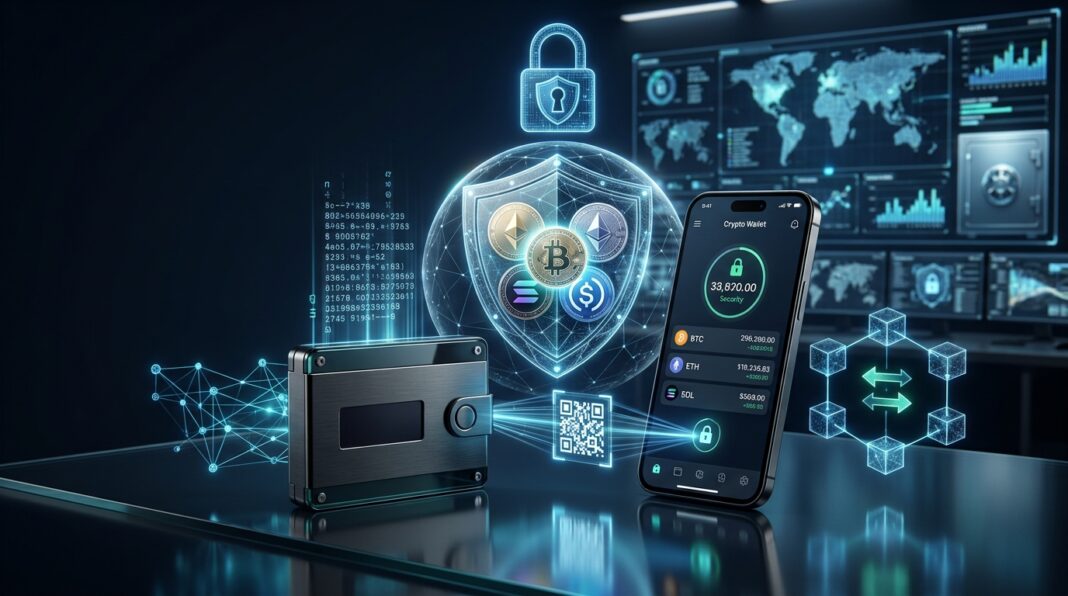

If you’re getting into cryptocurrency, one of the first things you’ll need is a crypto wallet. Think of it like a digital bank account for your digital money. It’s where you store your cryptocurrencies, send them to others, and receive them too. Without a proper wallet, you can’t really interact with the crypto world.
Choosing the right crypto wallet can feel a bit overwhelming at first. There are so many options out there, and they all seem to do slightly different things. But don’t worry, it’s not as complicated as it seems. We’ll break down what a crypto wallet actually is, the different types available, and how you can pick the best one for your needs right now in 2026.

What Exactly is a Crypto Wallet?
A crypto wallet isn’t like a physical wallet that holds cash. It doesn’t actually store your cryptocurrency itself. Instead, it holds the keys that give you access to your crypto on the blockchain. Imagine your crypto existing on a giant, public ledger (the blockchain). Your wallet holds the secret codes (keys) that prove you own a piece of that crypto.
When you send crypto to someone, you’re not physically moving coins. You’re simply transferring ownership on the blockchain from your address to theirs. Your crypto wallet helps you manage these transactions and keep your assets secure.
Not Like Your Physical Wallet
This is a common misconception. When you have Bitcoin or Ethereum, those coins aren’t literally “inside” your wallet. They stay on the blockchain. Your wallet is more like a tool that lets you view your balance and sign transactions to spend your crypto. It’s the interface between you and the blockchain, using your unique keys.
Think of it as having the keys to a safe deposit box. The cash is in the box at the bank, not on your keychain. Your crypto wallet is your keychain, and the blockchain is the bank where your digital assets reside.
Public and Private Keys Explained
Every crypto wallet comes with two main types of keys: a public key and a private key. Understanding these is fundamental to understanding how wallets work.
- Public Key (Your Address): This is like your bank account number. You can share it with anyone if you want them to send you crypto. It’s safe to share and acts as your receiving address on the blockchain.
- Private Key: This is the secret code that gives you ownership of your cryptocurrency. It’s like the PIN to your debit card or the password to your bank account. You must keep your private key absolutely secret and secure. Losing it means losing access to your crypto, and if someone else gets it, they can steal your funds.
Most wallets also generate a “seed phrase” or “recovery phrase.” This is a list of 12 or 24 words that acts as a human-readable backup of your private key. If you lose your wallet or it gets damaged, you can use this seed phrase to recover your funds on a new wallet.
Different Types of Crypto Wallets (Hot vs. Cold)
Crypto wallets generally fall into two broad categories: hot wallets and cold wallets. The main difference is whether they are connected to the internet.
Hot Wallets: Always Connected
Hot wallets are connected to the internet. They offer convenience for frequent transactions but come with a higher risk of online hacking. Most beginners start with a hot wallet because they are often free and easy to set up.
Web Wallets
These are wallets you access through a web browser. Many cryptocurrency exchanges offer built-in web wallets. While convenient, you’re relying on the exchange’s security. If the exchange gets hacked, your funds could be at risk. Examples include wallets on platforms like Coinbase or Binance.
Mobile Wallets
Mobile wallets are apps you download onto your smartphone. They offer a good balance of convenience and security for everyday use. You can easily make payments on the go by scanning QR codes. Popular mobile wallets include Trust Wallet and MetaMask.
Desktop Wallets
These are software programs you install on your computer. They offer more control than web wallets since your private keys are stored on your device. However, your computer must be secure from viruses and malware, as an infected device could compromise your wallet. Exodus and Electrum are well-known desktop wallets.
Cold Wallets: Offline Security
Cold wallets are not connected to the internet. This makes them much more secure against online threats like hacking and malware. They are ideal for storing large amounts of cryptocurrency that you don’t plan to use frequently.
Hardware Wallets
Hardware wallets are physical devices, often resembling a USB stick. They store your private keys offline. When you want to make a transaction, you connect the device to your computer or phone, confirm the transaction on the device itself, and then disconnect it. This means your private keys never touch the internet, offering the highest level of security. Ledger and Trezor are leading brands in hardware wallets.
Paper Wallets
A paper wallet is simply your public and private keys printed out on a piece of paper. You can generate them offline, print them, and store them physically. While they are completely offline, they are vulnerable to physical damage (fire, water) and theft. Using paper wallets has become less common and is generally not recommended for beginners due to the complexities of secure generation and handling.
Choosing the Right Crypto Wallet for You in 2026
Deciding on the best crypto wallet depends on your individual needs and how you plan to use your cryptocurrency. There isn’t one “best” wallet for everyone.
Security First
Your top priority should always be security. If you’re holding a significant amount of crypto, especially for the long term, a cold wallet like a hardware wallet is almost always the best choice. For smaller amounts that you use frequently, a reputable hot wallet with strong security features (like two-factor authentication) can work. Remember, never share your private keys or seed phrase with anyone.
Supported Cryptocurrencies
Not all wallets support every cryptocurrency. Before choosing a wallet, make sure it supports the specific coins you want to hold. Most popular wallets support major cryptocurrencies like Bitcoin and Ethereum, but if you’re holding more niche altcoins, you’ll need to double-check compatibility.
Ease of Use
Beginners will likely prefer a wallet with a user-friendly interface. Mobile and desktop wallets often offer intuitive designs that make sending and receiving crypto straightforward. Hardware wallets have a slightly steeper learning curve but are designed to be easy to use once you understand the basics.
Features and Integrations
Some wallets offer extra features like built-in exchanges, staking capabilities, or integration with decentralized applications (dApps). If these features are important to you, consider wallets that offer them. For example, some wallets allow you to earn interest on your crypto directly from the wallet interface. You might also be interested in how your chosen wallet integrates with tools to help simplify your crypto taxes at the end of the year.
Here’s a quick comparison to help you weigh your options:
| Feature | Hot Wallet (e.g., Mobile, Desktop, Web) | Cold Wallet (e.g., Hardware) |
|---|---|---|
| Internet Connection | Always connected | Offline (connects only for transactions) |
| Security Level | Lower (more vulnerable to online attacks) | Highest (private keys never online) |
| Convenience | High (easy access, quick transactions) | Lower (requires physical device) |
| Cost | Often free | Typically costs money for the device |
| Best For | Small amounts, frequent transactions, active trading | Large amounts, long-term storage, maximum security |
Setting Up Your First Crypto Wallet (A Quick Guide)
Setting up a crypto wallet, especially a software-based one, is usually pretty simple. Here’s a general idea of the steps:
- Choose Your Wallet: Decide if you want a mobile, desktop, or hardware wallet based on your needs.
- Download/Purchase: If it’s a software wallet, download it from the official website or app store. If it’s a hardware wallet, purchase it directly from the manufacturer or an authorized retailer.
- Create New Wallet: Open the app or device and choose the option to “create a new wallet.”
- Set a Password/PIN: Create a strong, unique password or PIN for your wallet.
- Write Down Your Seed Phrase: This is the most crucial step. The wallet will generate a list of 12 or 24 words (your seed phrase). Write these down on paper, in the correct order, and store them somewhere extremely safe offline. Do not take a screenshot or store it digitally.
- Confirm Seed Phrase: The wallet will usually ask you to confirm a few words from your seed phrase to ensure you’ve written it down correctly.
- Start Using: Once confirmed, your wallet is ready! You’ll see your public address, which you can use to receive crypto.
Remember, your seed phrase is the master key to your funds. If you lose it, you could lose access to your crypto forever. If someone else gets it, they can access your crypto too. Guard it like gold.
Keeping Your Crypto Safe: Essential Security Tips
Once you have a crypto wallet, keeping your assets secure is an ongoing responsibility. Here are some key tips:
- Guard Your Private Keys/Seed Phrase: This cannot be stressed enough. Never share it. Store it offline, perhaps in a fireproof safe. Consider having multiple secure backups in different physical locations.
- Use Strong, Unique Passwords: For any wallet or exchange that requires a password, make sure it’s complex and not used anywhere else. Use a password manager if needed.
- Enable Two-Factor Authentication (2FA): Wherever possible, activate 2FA on your wallets and exchange accounts. This adds an extra layer of security, usually requiring a code from your phone in addition to your password.
- Be Wary of Phishing Scams: Always double-check URLs and sender emails. Scammers often create fake websites or send fake emails that look legitimate to trick you into revealing your private keys or login details.
- Keep Software Updated: Regularly update your wallet software and operating system. Updates often include critical security patches.
- Verify Addresses: Before sending crypto, always double-check the recipient’s address. Copy-pasting errors can lead to funds being sent to the wrong address, and transactions are irreversible.
- Consider a Hardware Wallet for Large Amounts: For substantial holdings, the added security of an offline hardware wallet is invaluable.
- Educate Yourself: Stay informed about common crypto scams and security best practices. Resources like Mosu Crypto can help keep you updated.
Frequently Asked Questions About Crypto Wallets
Can I have multiple crypto wallets?
Yes, absolutely! Many people use multiple wallets for different purposes. For instance, you might use a mobile wallet for small, daily transactions and a hardware wallet for long-term savings.
Are crypto wallets anonymous?
While transactions on a blockchain are pseudonymous (meaning they are linked to an address, not your real name), your public address can sometimes be linked back to your identity, especially if you use exchanges that require KYC (Know Your Customer) verification. True anonymity is very difficult to achieve in crypto.
What happens if I lose my hardware wallet?
If you lose your hardware wallet, as long as you have your seed phrase (recovery phrase) safely backed up, you can recover your funds on a new hardware wallet or even a software wallet. Your crypto isn’t stored on the device itself, only the keys are.
Do I need to pay for a crypto wallet?
Many software wallets (mobile, desktop, web) are free to download and use. However, hardware wallets are physical devices and typically cost money to purchase. The cost of a hardware wallet is often considered an investment in the security of your funds.
How often should I back up my seed phrase?
You only need to back up your seed phrase once, when you first create your wallet. The seed phrase itself never changes. However, you should periodically check your physical backups to ensure they are still legible and secure.
Can my crypto wallet be hacked?
Hot wallets are more susceptible to hacking if your device is compromised or if you fall for a phishing scam. Cold wallets are much harder to hack because they are offline, but they can still be vulnerable if your seed phrase is stolen or if the device itself is physically tampered with.
Understanding crypto wallets is a foundational step in your cryptocurrency journey. Take your time to choose a wallet that fits your security needs and lifestyle. Always prioritize the safety of your private keys and seed phrase, and you’ll be well-equipped to manage your digital assets securely.
Crypto Basics